
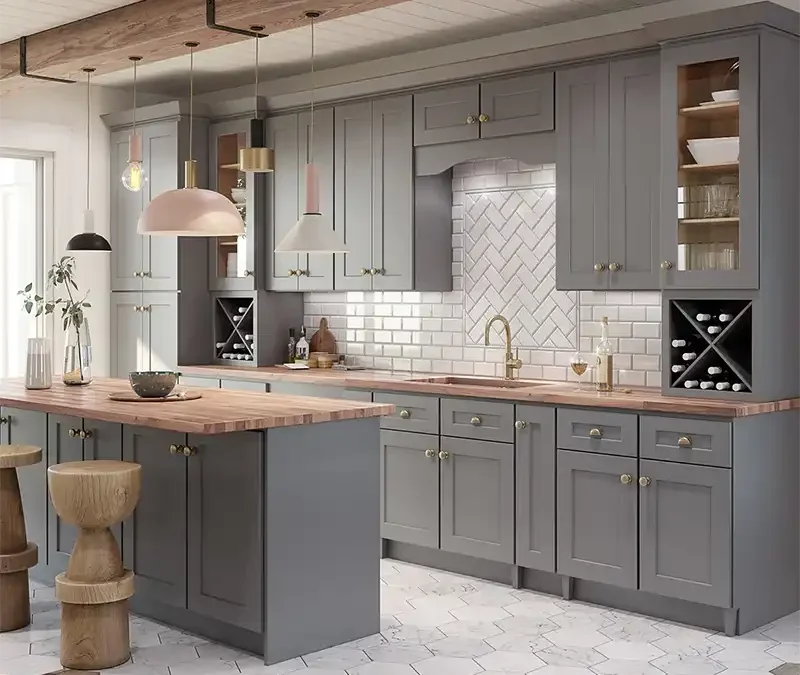
Painting kitchen cabinets is one of the most effective ways to transform a kitchen without the cost of a full remodel. When done correctly, it delivers a clean, modern look and long-lasting durability. However, cabinet painting is far more detailed than painting walls, and small mistakes can lead to peeling paint, visible brush marks, or premature wear. Avoiding these common pitfalls helps ensure professional-quality results.
Skipping Proper Surface Preparation
One of the biggest mistakes homeowners make when painting kitchen cabinets is underestimating the importance of preparation. Cabinets collect grease, grime, and residue over time, especially around handles and cooking areas. Painting over dirty or glossy surfaces prevents proper adhesion and leads to chipping or peeling.
Cabinets must be thoroughly cleaned, degreased, sanded, and wiped down before any primer or paint is applied. Proper prep creates a surface that allows coatings to bond correctly and last for years.
Using the Wrong Type of Paint
Not all paint is suitable for kitchen cabinets. Standard wall paint lacks the durability needed to withstand daily use, moisture, and frequent cleaning. Using the wrong product often results in soft finishes that scratch easily or show wear quickly.
Cabinet-grade paints or professional enamel coatings are designed to cure harder and resist stains, moisture, and grease. Choosing the correct paint type is critical for both appearance and longevity.
Skipping Primer or Using the Wrong One
Primer is essential when painting cabinets, yet many people skip it to save time. Primer blocks stains, improves adhesion, and ensures an even finish. Without it, wood tannins can bleed through, and paint may fail prematurely.
Different cabinet materials require different primers. Wood, laminate, and previously painted surfaces all have specific primer needs. Using the wrong primer can cause peeling or uneven coverage.
Not Removing Doors and Hardware
Painting kitchen cabinets while doors and hardware are still attached often leads to drips, missed edges, and sloppy results. Hinges, handles, and knobs interfere with clean application and create uneven finishes.
Removing doors, drawers, and hardware allows for even coating on all sides and produces a smoother, more consistent look. It also protects hardware from paint buildup and damage.
Rushing the Drying and Curing Process
Cabinet painting requires patience. Applying multiple coats too quickly or reinstalling doors before the paint has cured can ruin the finish. Cabinets may feel dry to the touch but still be soft underneath.
Each coat needs adequate drying time, and full curing can take several days or longer depending on the product used. Rushing this process often results in fingerprints, dents, or sticking doors.
Using Poor Application Techniques
Brush strokes, roller marks, and uneven coverage are common when improper tools or techniques are used. Cabinets require smooth, controlled application methods to achieve a factory-like finish.
Professional results often involve spraying or a combination of spraying and fine rolling. Using high-quality brushes, rollers, or spray equipment ensures consistent coverage and minimizes texture issues.
Ignoring Environmental Conditions
Temperature and humidity play a major role in how paint dries and cures. Painting cabinets in overly humid, cold, or hot conditions can cause bubbling, cracking, or extended drying times.
Ideal conditions allow paint to level properly and cure evenly. Ignoring environmental factors can compromise the final appearance and durability of the cabinets.
Overlooking Finish Selection
Choosing the wrong sheen can impact both appearance and maintenance. Flat finishes show stains easily, while overly glossy finishes can highlight imperfections.
Satin and semi-gloss finishes are commonly recommended for kitchen cabinets because they balance durability, easy cleaning, and a refined appearance.
Attempting a DIY Project Without Experience
Painting kitchen cabinets requires skill, time, and specialized knowledge. Many homeowners underestimate the complexity and end up with uneven finishes, durability issues, or the need for costly corrections.
Professional cabinet painters understand proper prep, product selection, application techniques, and curing processes. Hiring experienced professionals often saves time, money, and frustration while delivering superior results.
Final Thoughts
Avoiding these common cabinet painting mistakes can make the difference between a short-term cosmetic fix and a long-lasting kitchen upgrade. With proper preparation, the right materials, and professional techniques, painted cabinets can look beautiful and perform well for years. Investing in expert cabinet painting ensures your kitchen receives the quality finish it deserves.