
When planning a painting project, most homeowners focus on color, finish, and durability. One important factor often overlooked is VOCs in paint. VOCs can affect indoor air quality, comfort, and even long-term health. Understanding what VOCs are and why they matter helps you make safer, smarter choices for your home.
What Are VOCs?
VOCs stands for volatile organic compounds. These are chemicals that easily evaporate into the air at room temperature. In paint, VOCs are released as fumes during application and while the paint dries and cures. They help paint spread smoothly, dry evenly, and resist damage, but they also contribute to indoor air pollution.
Common VOCs found in paint include formaldehyde, benzene, and toluene. While modern paints contain fewer VOCs than older formulas, they can still be present at levels that impact indoor environments.
Why VOCs Are Used in Paint
Paint manufacturers use VOCs to improve performance. VOCs help paint maintain a consistent texture, prevent mold growth in the can, and ensure proper adhesion to surfaces. Without them, paint may not apply or cure as effectively.
Advances in paint technology have made it possible to reduce or eliminate many VOCs while still delivering strong performance. This has led to the growing availability of low-VOC and zero-VOC paints for residential use.
How VOCs Affect Indoor Air Quality
When paint releases VOCs, those chemicals mix with the air inside your home. Because indoor spaces are enclosed, VOC concentrations can be much higher indoors than outdoors, especially in poorly ventilated rooms.
Poor indoor air quality can cause discomfort and irritation shortly after painting. Over time, repeated exposure may contribute to lingering odors and reduced overall air quality throughout the home.
Health Effects of VOC Exposure
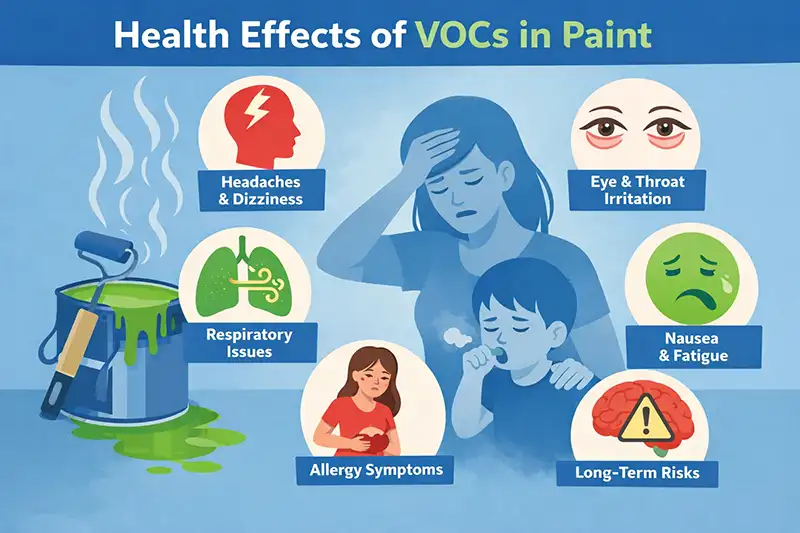
Short-term exposure to paint VOCs may cause headaches, dizziness, nausea, eye irritation, or throat discomfort. Children, older adults, pregnant individuals, and people with asthma or allergies are especially sensitive.
Long-term exposure to high VOC levels has been linked to more serious health concerns, including respiratory issues and potential effects on the nervous system. While occasional painting is unlikely to cause severe problems, reducing exposure is still important for maintaining a healthy living environment.
VOCs and Sensitive Living Spaces
Bedrooms, nurseries, kitchens, and living rooms deserve special consideration. These are areas where families spend the most time, and where prolonged exposure to airborne chemicals can have a greater impact.
Using low-VOC or zero-VOC paints in these spaces helps minimize odors and improves comfort shortly after painting. This is especially important for homes with young children or individuals with respiratory sensitivities.
Understanding Low-VOC and Zero-VOC Paints
Low-VOC paints contain significantly fewer volatile compounds than traditional paints, while zero-VOC paints contain minimal to no detectable VOCs. It’s important to note that some zero-VOC paints may still release small amounts of VOCs from added colorants.
Even so, these paints are a much safer option for indoor projects. They reduce lingering odors, allow rooms to be used sooner, and contribute to better indoor air quality overall.
Environmental Impact of VOCs
VOCs don’t just affect your home. When released into the atmosphere, they contribute to smog formation and outdoor air pollution. Choosing low-VOC paint helps reduce environmental impact while supporting healthier communities.
Many regions now regulate VOC levels in paint to protect air quality. These standards have encouraged manufacturers to develop safer, more eco-friendly products.
How to Reduce VOC Exposure During Painting
Homeowners can take several steps to minimize VOC exposure. Choose low-VOC or zero-VOC paints whenever possible. Keep windows open and use fans to improve ventilation during and after painting. Avoid painting during extreme weather when ventilation is limited.
Hiring a professional painter experienced with low-VOC products ensures proper application and safety practices. Professionals know how to manage ventilation and curing times to reduce indoor air contamination.
Why VOC Awareness Matters
Understanding VOCs empowers homeowners to make healthier choices. Paint should enhance your home’s beauty without compromising comfort or safety. By selecting low-VOC paints and using proper ventilation, you protect your indoor air quality while still achieving beautiful, long-lasting results.
When planning your next painting project, VOCs should be just as important as color and finish. Making informed decisions helps create a home that looks great and feels healthier for everyone inside.