
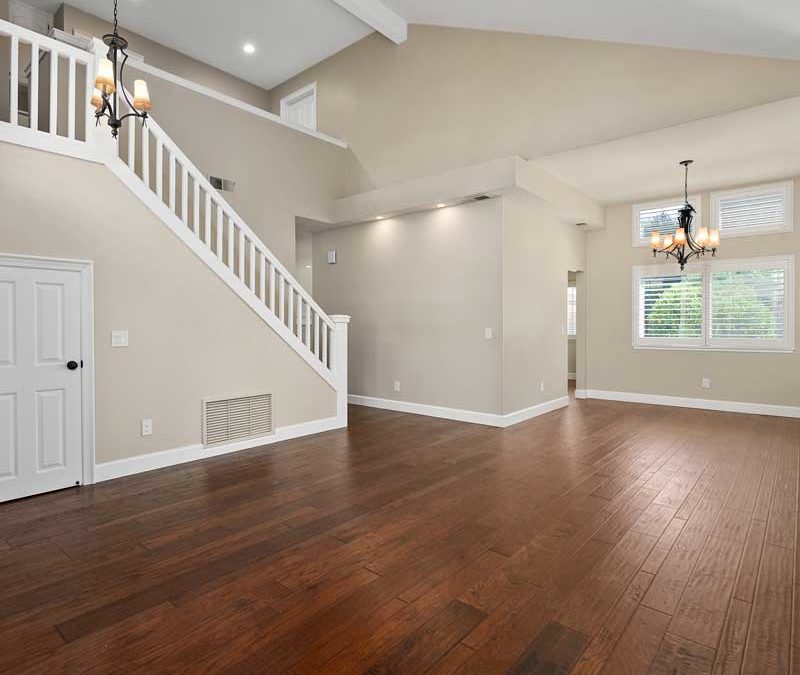
Selecting the perfect paint color for your home involves more than simply picking a shade you like. To achieve a cohesive and visually appealing space, it’s essential to consider your existing flooring and fixtures. The right color combinations can elevate your home’s style, highlight architectural features, and create a comfortable, inviting atmosphere. Here’s a comprehensive guide to help pair paint colors with flooring and fixtures to ensure your home looks polished and harmonious.
Understand Your Flooring
Flooring serves as the foundation for any room’s design, so it’s important to factor it into your color choices. Whether you have hardwood, laminate, tile, or carpet, start by identifying the floor’s undertones. Warm-toned floors, such as oak or cherry wood, pair beautifully with earthy colors, creams, or rich shades. Cooler-toned floors, like gray-toned wood or slate tile, complement soft blues, grays, and crisp whites.
Pay attention to patterns and textures as well. A heavily patterned carpet or intricate tile may pair best with neutral wall colors to avoid visual clutter. On the other hand, plain or uniform flooring gives you more flexibility to experiment with bold or vibrant paint colors.
Factor in Fixtures
Fixtures—including lighting, cabinet hardware, faucets, and door handles—also influence paint color decisions. The metal finish of your fixtures can dictate whether warm or cool tones work best. For example, chrome, stainless steel, or polished nickel fixtures pair well with cooler wall colors such as blues and grays. Conversely, brass, bronze, or copper fixtures are complemented by warmer tones like beige, taupe, or soft yellows.
Even small details like towel bars, doorknobs, and cabinet pulls should be considered. These accents can either enhance the overall color harmony or create unintended clashes if ignored. Coordinating paint colors with fixture finishes helps establish a unified, intentional design.
Consider Lighting
Lighting plays a crucial role in how colors appear in your home. Natural light changes throughout the day, and artificial light can alter the perceived hue of a wall color. A shade that looks bright and cheerful in morning sunlight may appear muted under warm interior lighting. Always test paint samples in the actual room at different times of day to see how your walls, floors, and fixtures interact under varying light conditions.
Create Balance and Contrast
Balance is key to achieving an aesthetically pleasing space. Light-colored walls with dark flooring create a sense of openness and airiness, while dark walls with lighter floors provide depth and a cozy ambiance. Mid-tone floors can be paired with soft, neutral walls to maintain harmony without overwhelming the space.
Contrast can also be used strategically to highlight architectural features, furniture, or fixtures. For example, painting trim or cabinets a contrasting shade from walls or flooring can add visual interest and define the space more clearly.
Use Sample Boards
Testing is essential when selecting the perfect color. Use sample boards to place paint swatches next to your flooring and fixtures. Observe how the colors look in different lighting and angles. Small sample patches on walls can also help you visualize the final effect before committing to a full paint job.
Think About Flow Between Rooms
Consistency matters, especially in open floor plans. While each room can have its unique color palette, maintaining some harmony between spaces ensures a seamless transition. Consider complementary or analogous colors to create a cohesive flow between connected areas.
Consult Professionals
If you’re unsure about color choices or want expert guidance, professional painting services can help. Experienced painters can recommend shades that harmonize with your flooring, fixtures, and overall home style while ensuring high-quality finishes. Professionals also help with preparation, priming, and application, delivering long-lasting results that enhance your home’s beauty.
Final Thoughts
Deciding how to pair paint colors with flooring and fixtures may seem challenging, but careful planning, testing, and professional guidance can simplify the process. By considering undertones, lighting, fixture finishes, and balance, you can create a home that looks polished, cohesive, and inviting. Thoughtful color selection elevates your space, highlights your home’s best features, and ensures that every room feels harmonious and well-designed. With the right approach, your walls, floors, and fixtures can work together beautifully, reflecting both your personal style and your home’s unique character.